Weed Control

B4C has extensive experience managing environmental weeds across South East Queensland, with a focus on species that significantly impact native ecosystems, including Cats Claw Creeper and Madeira Vine.
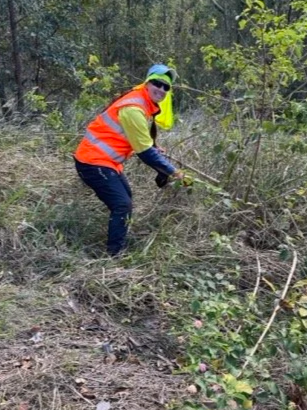
Our team delivers planned weed control programs using appropriate equipment, PPE and best-practice treatment methods. Treatment techniques are selected based on the target species, site conditions and stage of infestation, with a focus on effective control while limiting impacts on surrounding native vegetation.
B4C has delivered multi-year weed management programs across bushland, waterways and private properties, including the Upper Tingalpa CreekCare Program, funded by Seqwater. This program includes annual weed control, revegetation, monitoring and community engagement across multiple sites and landholders.
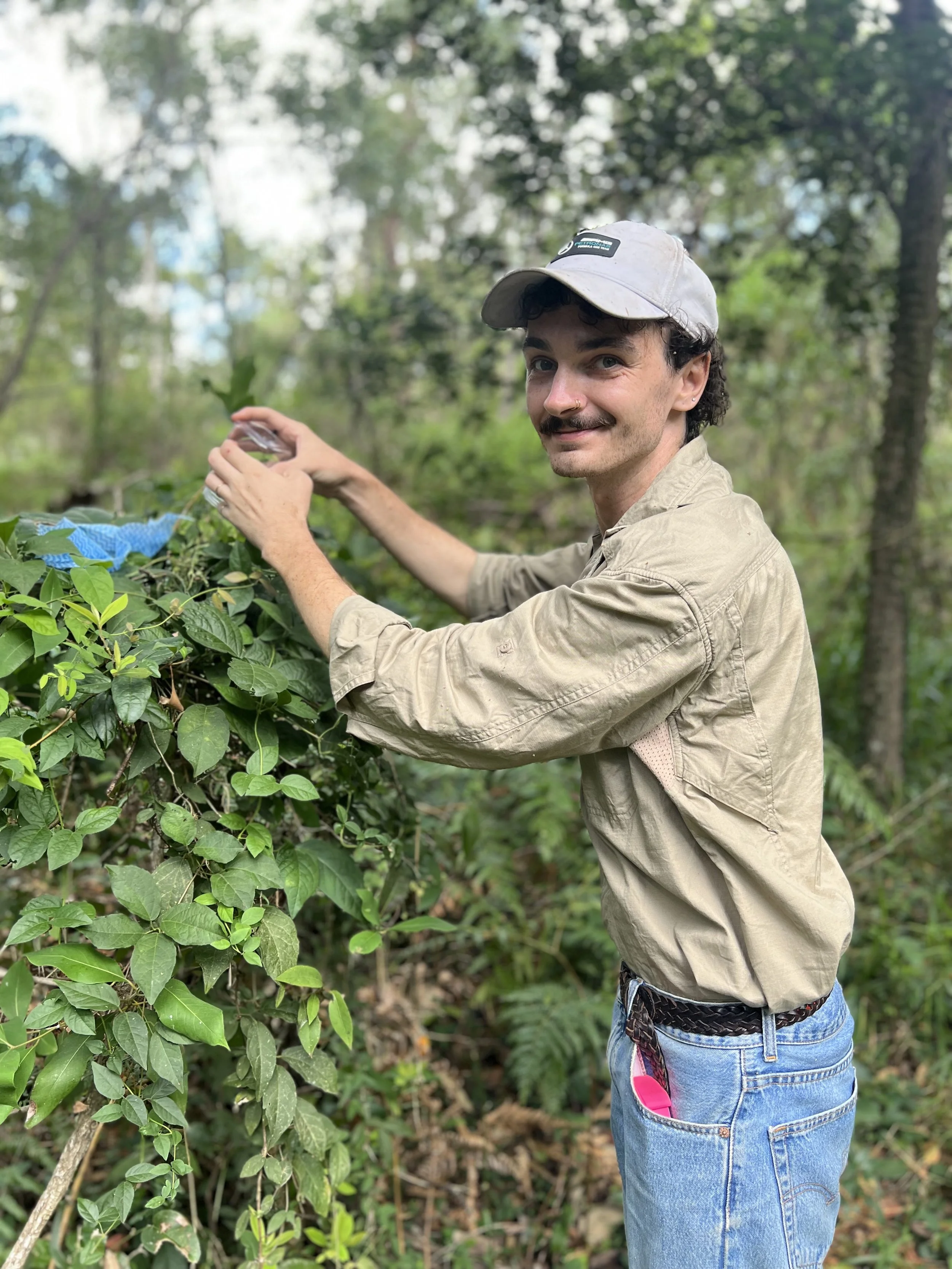
Working with Seqwater, B4C is managing significant Cats Claw Creeper infestations across approximately 17 hectares of riparian and bushland habitat. The work includes initial control of mature infestations, follow-up treatment of regrowth, monitoring of the underground tuber bank and the strategic release of biological control agents. This long-term approach reduces ongoing spread while supporting natural regeneration of native vegetation.
To achieve the greatest environmental benefit, treatment works are prioritised by:
Preventing flowering vines from producing seed.
Removing mature vines from the canopy.
Releasing native vegetation from vine infestations.
Reducing dense ground infestations that suppress regeneration.
Following up treated areas to control regrowth.
Using biological control where appropriate, particularly in large or inaccessible infestations.
All projects include planning, mapping, monitoring and reporting, with weed infestations recorded to guide future treatment and measure progress over time.
B4C also coordinates works with landholders, community groups and project partners to deliver consistent weed management across multiple properties where required.

Case Studies/Major Projects