Upper Tingalpa Creekcare Project
The Upper Tingalpa Creekcare Project is a long-term partnership between Bulimba Creek Catchment Coordinating Committee (B4C) and Seqwater, delivered under Seqwater’s Source Water Protection Program.
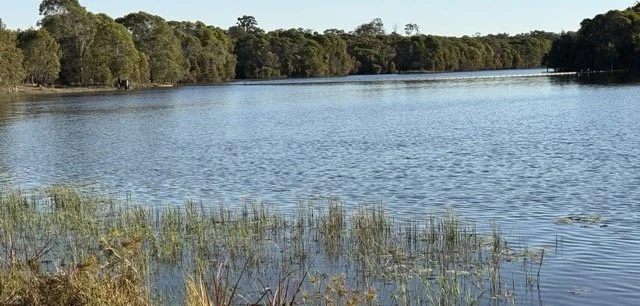
This significant initiative focuses on improving water quality and environmental health across the Upper Tingalpa Creek Catchment. The catchment flows into Tingalpa Reservoir (also known as Leslie Harrison Dam), an important drinking water supply for South East Queensland.
Protecting the health of rivers and creeks upstream plays a critical role in ensuring Seqwater can efficiently and cost-effectively treat raw water and deliver clean, safe drinking water to the region’s growing community—now and into the future.
Why Upper Tingalpa Creekcare matters
South East Queensland’s drinking water catchments are open, multi-use landscapes. While Seqwater owns and manages land around water storages, the majority of catchment land is privately owned. That’s why partnerships with landholders, local councils and community groups are essential to protecting water quality at its source.
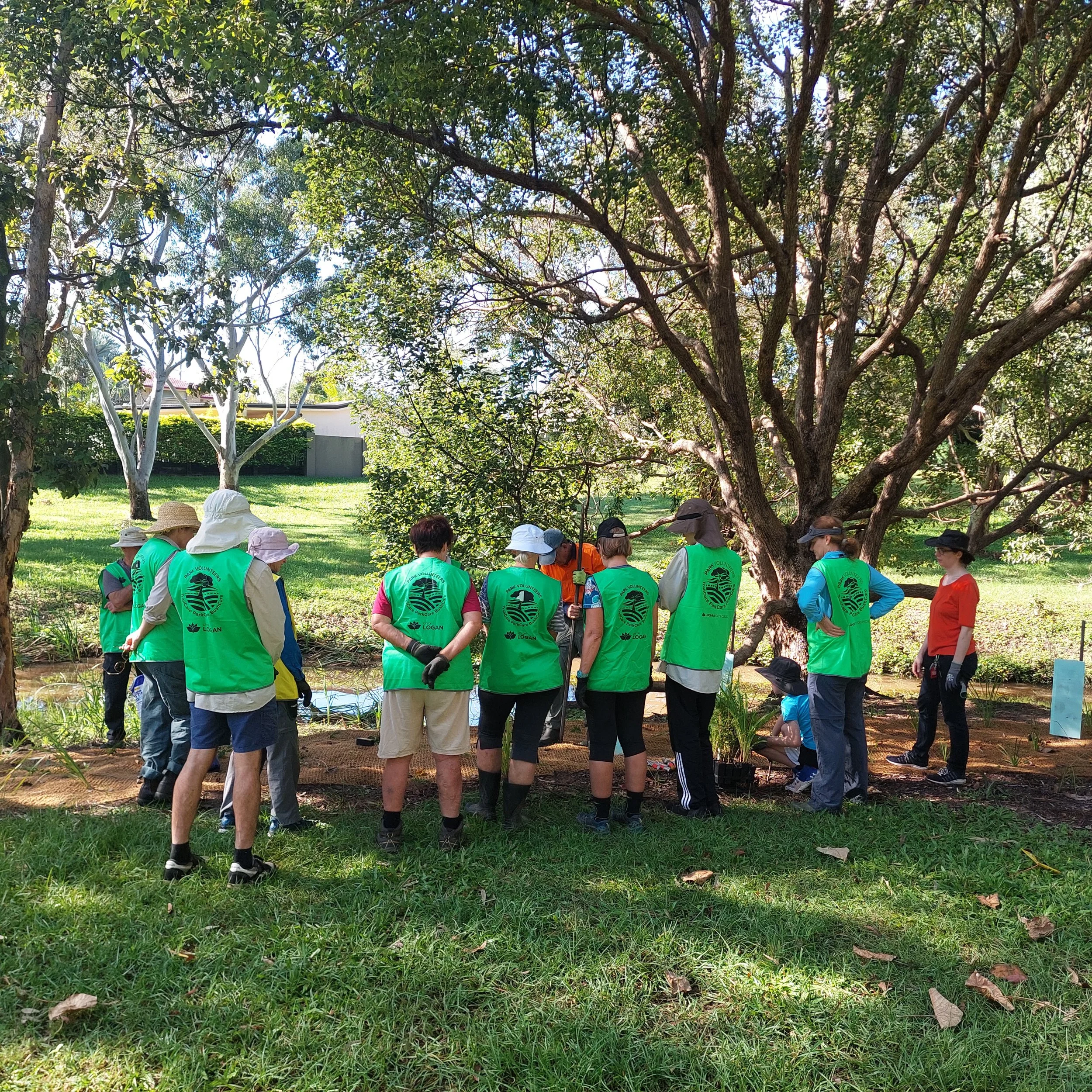
Prior to 2023, there was no active catchment group operating in the Upper Tingalpa Creek area. B4C was engaged to establish community connections and deliver on-ground works to:
Improve riparian vegetation and creek health
Reduce erosion and sediment entering waterways
Support landholders to adopt best-practice land management
Protect the quality of raw water flowing into Tingalpa Reservoir
Source protection is recognised by Seqwater as the first step in its multi-barrier approach to water treatment, helping to maintain long-term water security and stable treatment costs for the community.
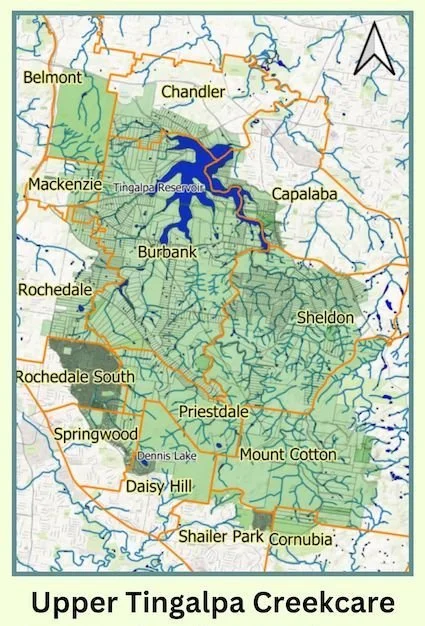
The Upper Tingalpa Catchment
The Upper Tingalpa Creek Catchment includes the suburbs of Burbank, Sheldon, Priestdale and parts of Mount Cotton, Daisy Hill, Springwood, Rochedale South, Rochedale, Mackenzie, Belmont, Chandler and Capalaba.
Creeks and tributaries within this catchment flow into Tingalpa Reservoir (Leslie Harrison Dam), a key source of drinking water for South East Queensland. Protecting these upstream waterways helps safeguard both local ecosystems and the region’s water supply.
Working with landholders
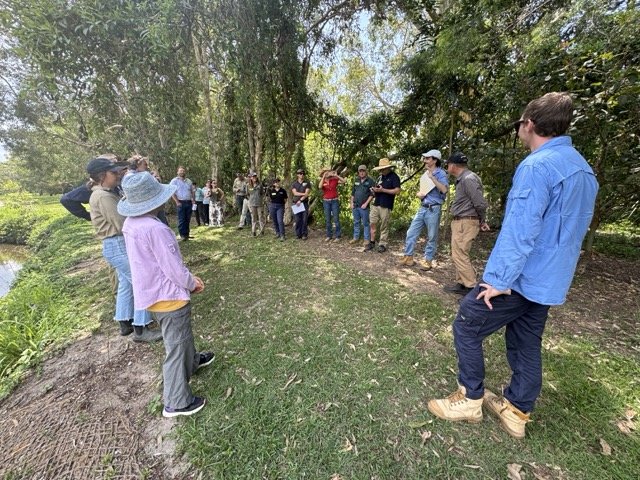
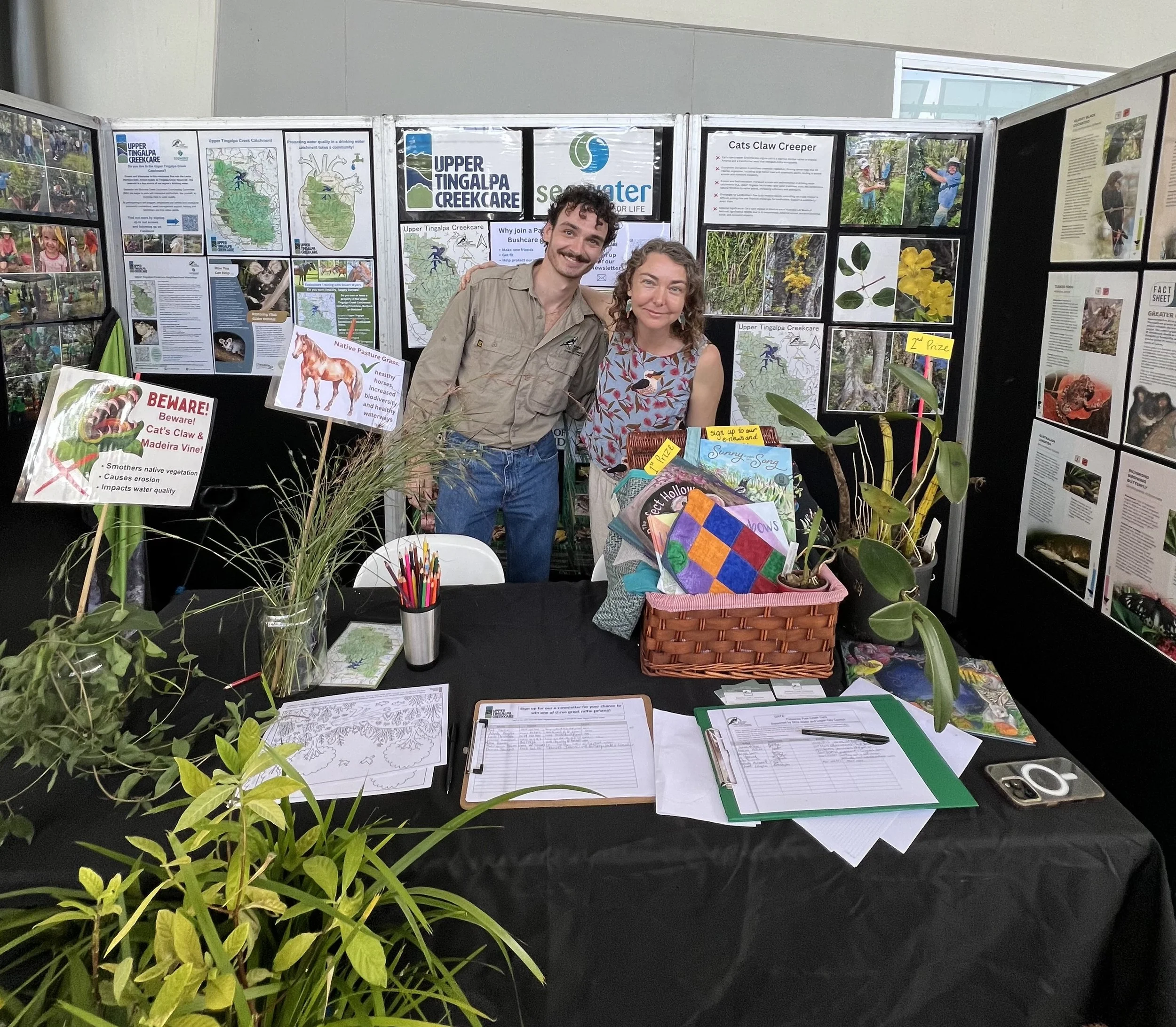
Upper Tingalpa Creekcare supports landholders to address key threats to water quality while also improving property amenity and long-term land productivity.
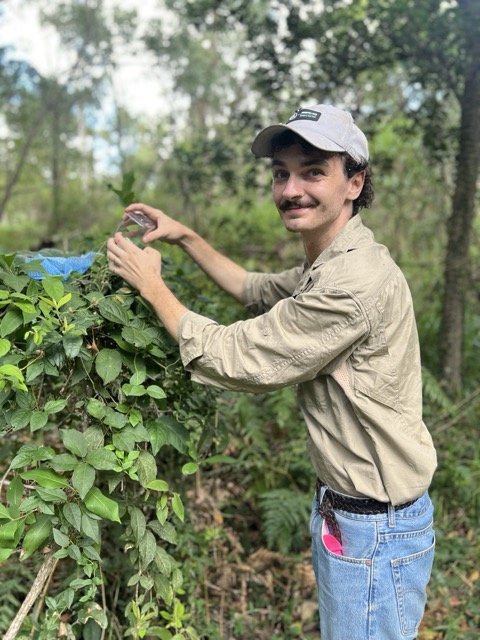
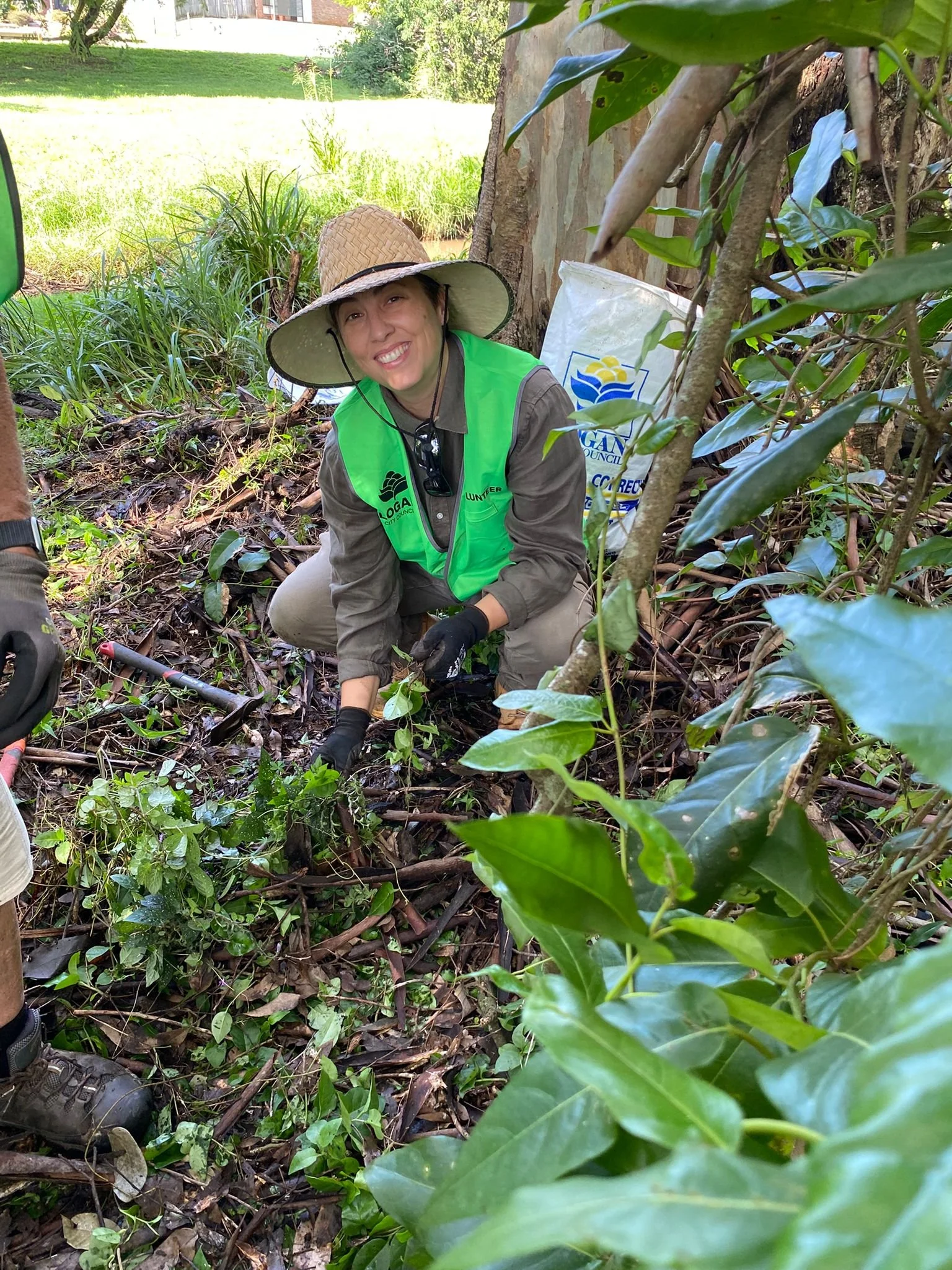
By participating in the program, eligible landholders may access advice, training and practical on-ground assistance to manage issues such as erosion, degraded creek banks and invasive weeds—including cat’s claw creeper.
Landholder benefits include:
Support to restore native vegetation along creeks, including plant supply and planting guidance
Assistance identifying and treating priority weed infestations
Targeted support for cat’s claw creeper control
Advice on bank stabilisation and erosion prevention
Support for off-stream watering points for livestock
Training workshops on weed management, revegetation and creek repair
Free native plants and improved connections with neighbouring landholders
Benefits for the whole community
Community benefits
Stronger neighbourhood connections and local information networks
Protection of the recreational, lifestyle and environmental values of the Upper Tingalpa Creek area
Improved protection of Tingalpa Reservoir as a local drinking water source
Environmental benefits
Improved waterway health and water quality
Reduced sediment and erosion entering creeks
Enhanced habitat condition and connectivity
Protection of native flora and fauna across the catchment
A shared responsibility
Water is essential for life. By working together to protect waterways at their source, the Upper Tingalpa Creekcare Project helps ensure clean, safe and reliable drinking water for South East Queensland, while also supporting healthier ecosystems and more resilient communities.
Upper Tingalpa Creekcare is a Seqwater initiative delivered by the Bulimba Creek Catchment Coordinating Committee in partnership with Seqwater.