What do Greater Gliders, Spotted-tail Quolls, Koalas, Phascogales, Brush-tailed Rock-wallabies, Flinders Stink Bush and Eewah Plum have in common? They are all threatened with extinction—and they are all protected at B4C’s Nature Refuge properties.
B4C’s Nature Refuges: Mount Barney–Yamahra Creek and Mount Elliott
What do Greater Gliders, Spotted-tail Quolls, Koalas, Phascogales, Brush-tailed Rock-wallabies, Flinders Stink Bush and Eewah Plum have in common? They are all threatened with extinction—and they are all protected at B4C’s Nature Refuge properties.
Supported by the Bulimba Creek Environment Fund, Bulimba Creek Catchment Coordinating Committee (B4C) owns and manages two key Nature Refuge properties—Mount Barney–Yamahra Creek (129 ha) and Mount Elliott (80 ha)—safeguarding biodiversity and strengthening vital habitat connections from the Bulimba Creek Catchment to the World Heritage-listed Border Ranges.
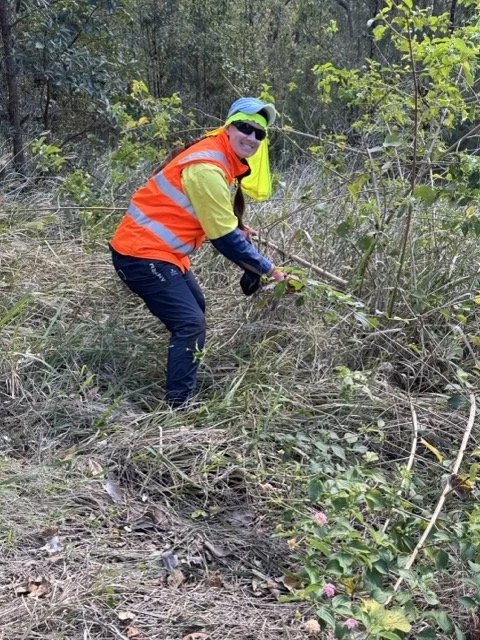
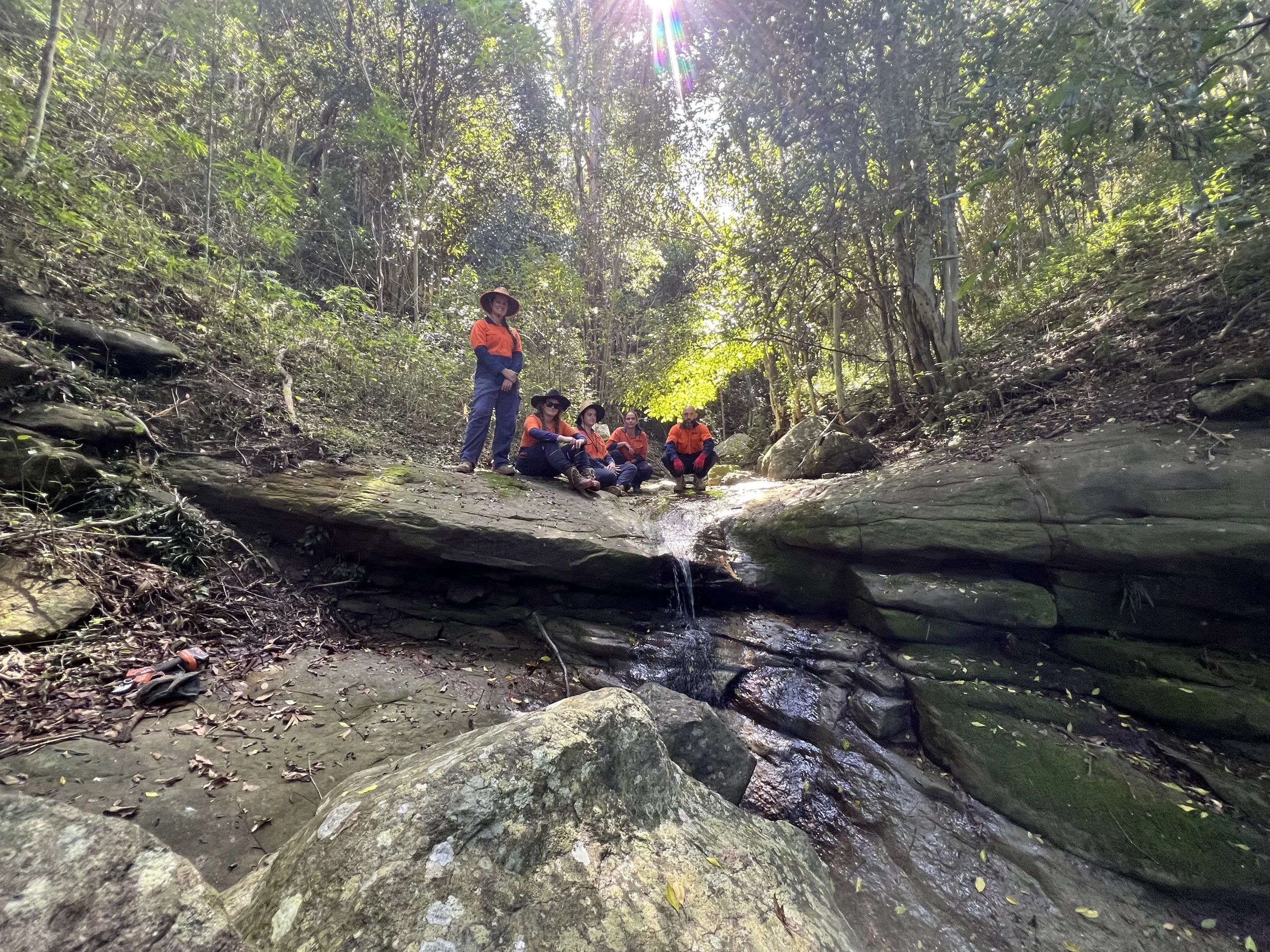
These refuges are more than safe havens. They are living, working conservation landscapes where we carry out essential stewardship such as invasive weed control, fire trail maintenance, and practical land management that supports long-term ecosystem resilience.
Why Nature Refuges Matter
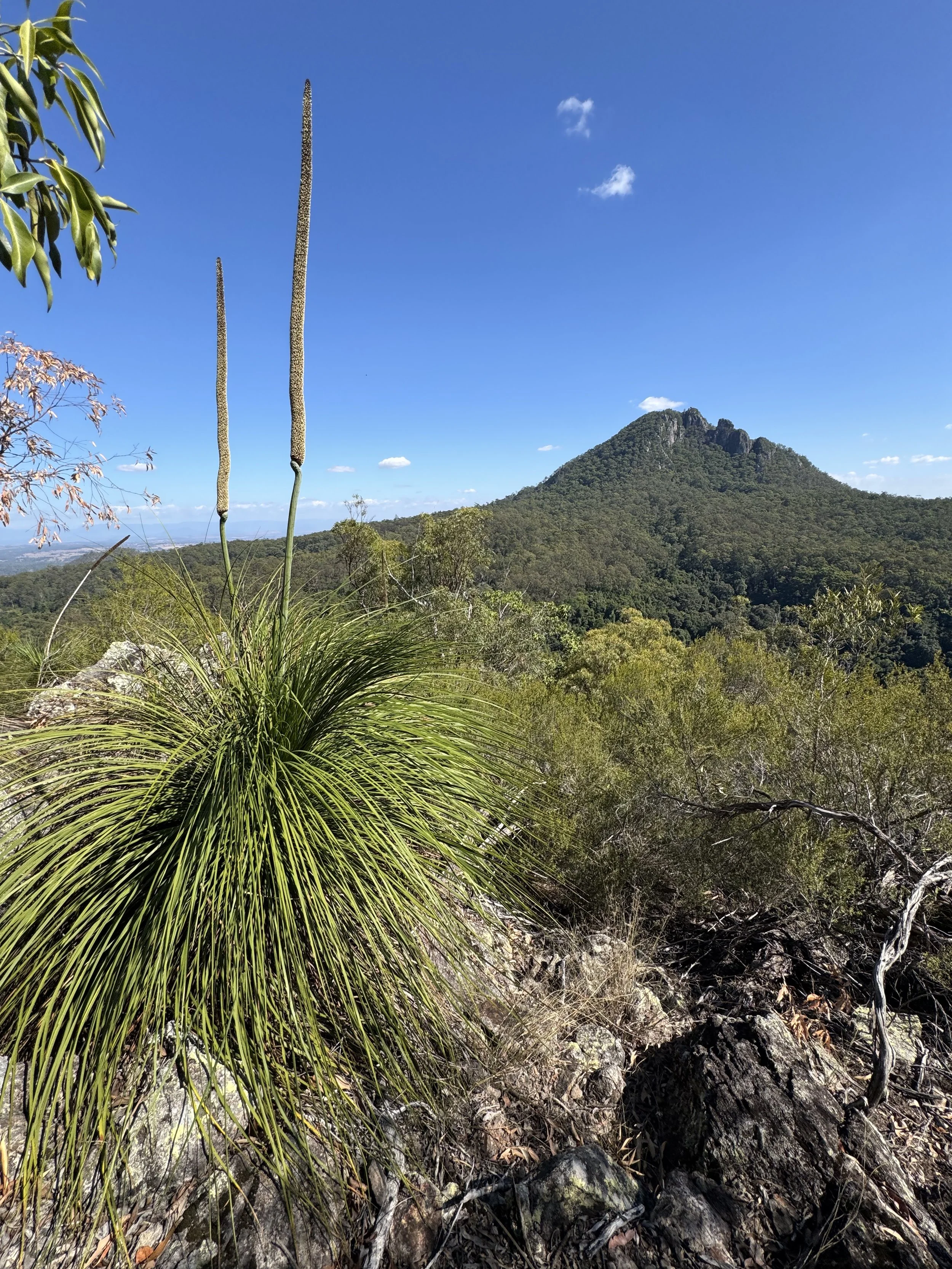
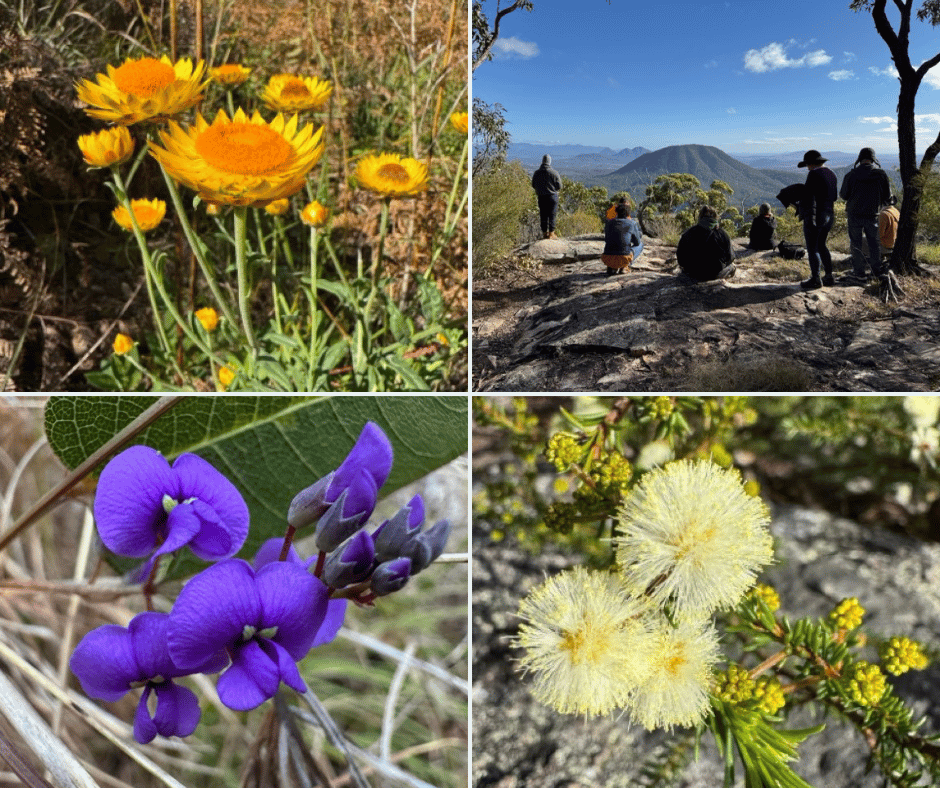
Together, Mount Barney–Yamahra Creek and Mount Elliott provide critical habitat and connectivity for a wide range of threatened wildlife and plants, including:
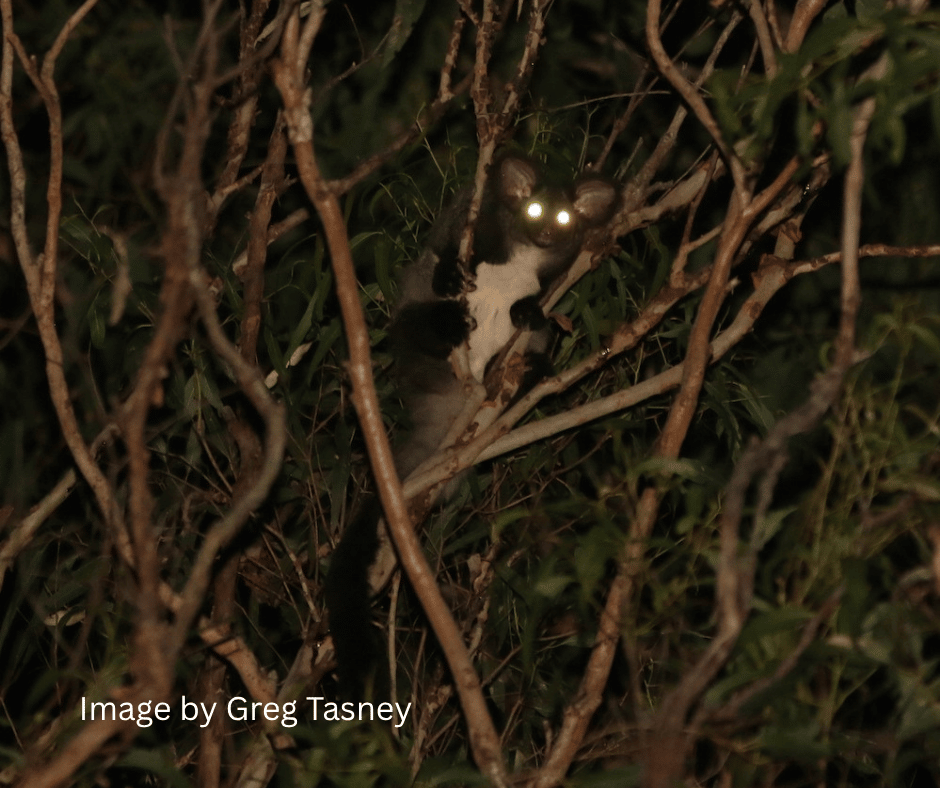
Greater Glider
Koala
Spotted-tail Quoll
Brush-tailed Rock-wallaby
Glossy Black Cockatoo
Brush-tailed Phascogale
Flinders Stink Bush (Zieria scopulus) (critically endangered)
Eewah Plum
Located along essential biodiversity corridors, these properties help link fragmented bushland—from Karawatha Forest and the headwaters of Bulimba Creek, through to Flinders Peak, the Scenic Rim, and the Border Ranges.
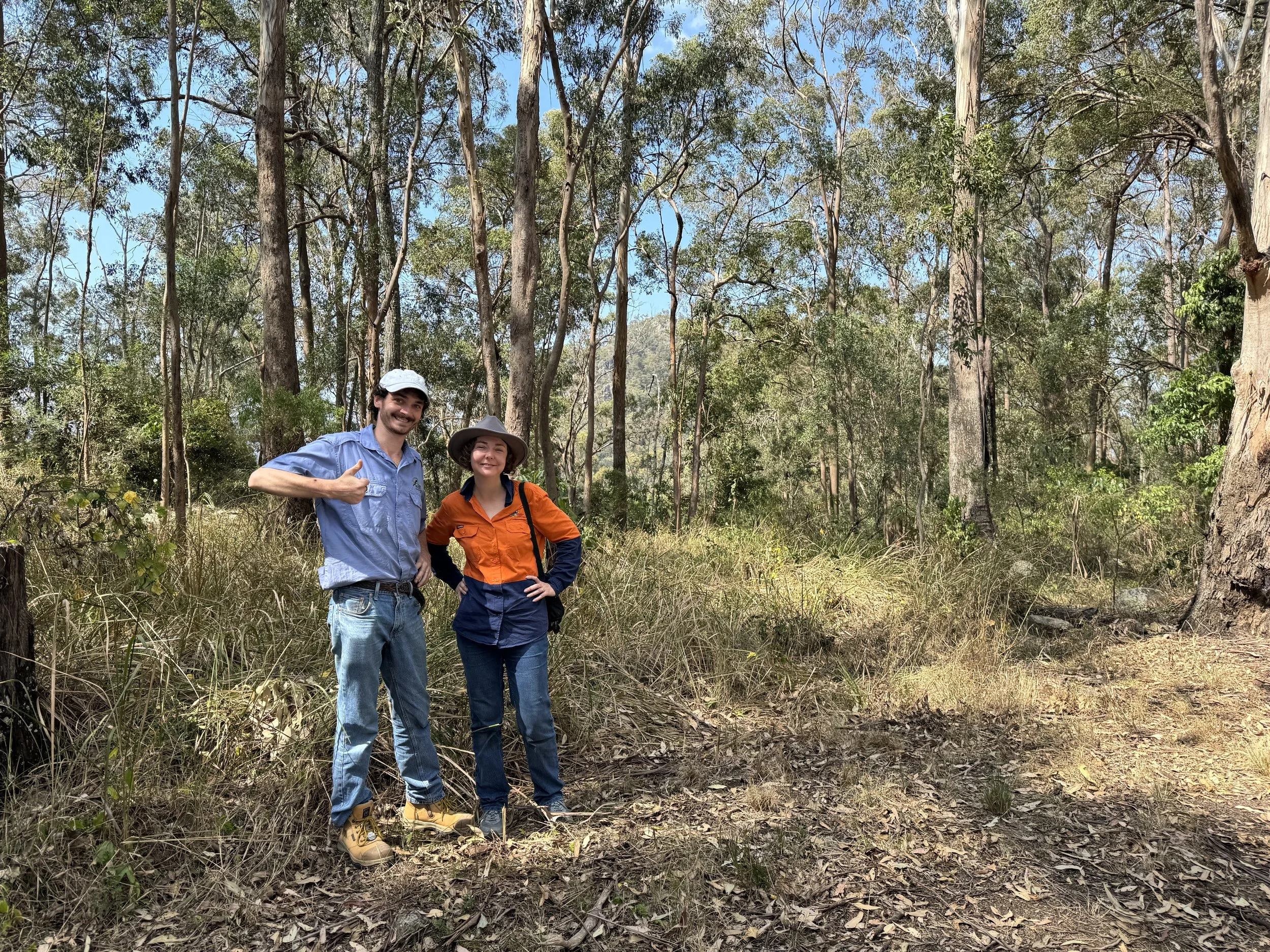
Both properties have also provided valuable on-ground training opportunities for volunteers and labour market programmes—helping build skills while caring for country.
Mount Barney–Yamahra Creek Nature Refuge (129 ha)
In 2015, thanks to the support of our members and long-term partners, B4C made a significant social investment to secure a 129-hectare buffer adjoining the World Heritage-listed Mount Barney National Park.
What makes this property special
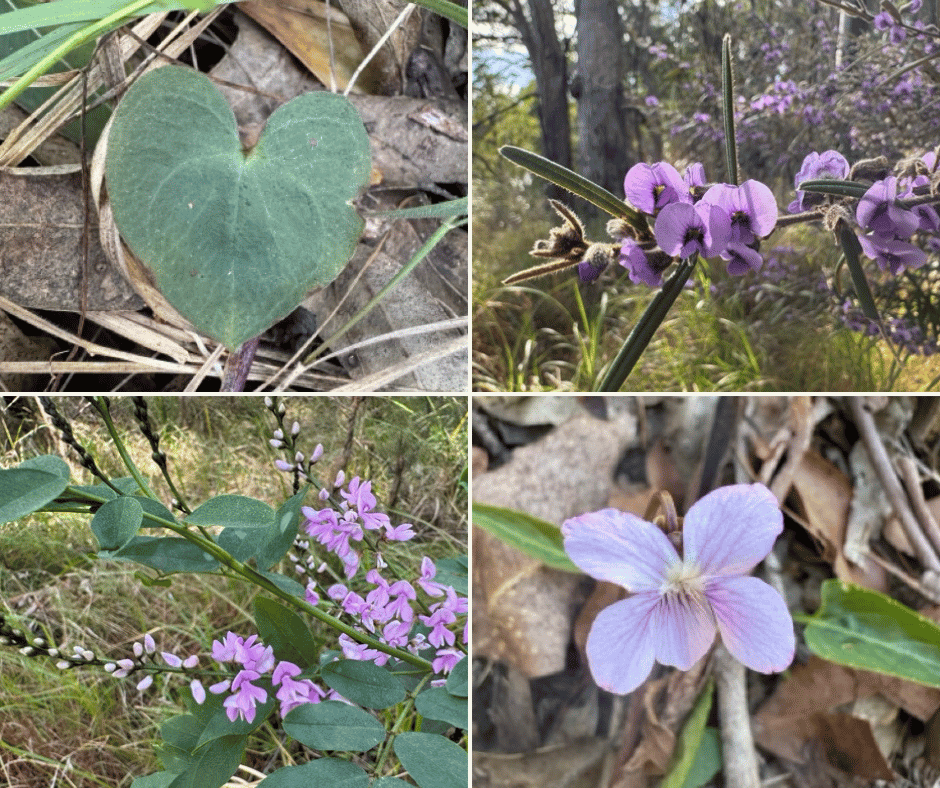
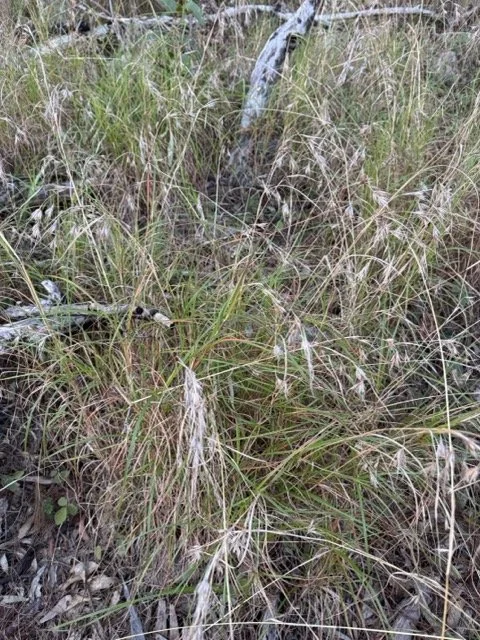
The property contains remnant Eucalypt Forest, maturing regrowth, and a native grass understorey in excellent condition. These habitats support a rich range of wildlife, including Koalas and Glossy Black Cockatoos, and strengthen landscape-scale connectivity.
Located in the Yamahra Creek catchment, the property helps link a northern fragment of the National Park to the larger World Heritage area to the south—boosting habitat continuity across the region.
A “for love, not money” investment
B4C purchased this property using its own funds to achieve social and environmental returns, not financial gain. This purchase was made possible through careful management, strong partnerships, and the surplus generated through B4C’s work—allowing us to reinvest in the long-term future of our community and environment.
As Simon Warner, then CEO of SEQ Catchments, acknowledged at the time: this investment demonstrated how a well-managed community social enterprise can make a significant difference through leadership, commitment, and collective effort.
Mount Elliott Nature Refuge (80 ha)
In 2018, with help from the Bulimba Creek Environment Fund, B4C made another social investment—securing the 80-hectare Undullah property, a crucial part of the regional biodiversity corridor linking Karawatha Forest to Flinders Peak.
A key corridor connection
Mount Elliott forms a valuable part of the Karawatha–Flinders Peak corridor, helping connect to the Scenic Rim, Mount Barney, and the border ranges beyond. When the property became available, government agencies had limited capacity to respond—highlighting the importance of community action alongside government investment.
The property is registered as a Nature Refuge via Queensland Trust for Nature (now part of the protected area network).
Protecting a critically endangered plant
Mount Elliott is home to the Critically Endangered Flinders Stink Bush (Zieria scopulus), a rare plant that grows only in gaps and shelves of trachyte rock. A survey recorded at least 30–40 individual plants, including juveniles—an encouraging sign for the species’ future.
Wildlife values
The property also supports threatened fauna including:
Greater Gliders
Koalas
Brush-tailed Phascogales
Brush-tailed Rock-wallabies
How You Can Help
The ongoing protection of these Nature Refuges is made possible through the Bulimba Creek Environment Fund and the collective support of our community.
Your support helps fund practical, on-ground conservation, including:
targeted weed management
track and fire trail upkeep
habitat restoration and monitoring
stewardship that keeps these landscapes healthy for future generations
If you’d like to support this work, consider donating to (or learning more about) the Bulimba Creek Environment Fund.