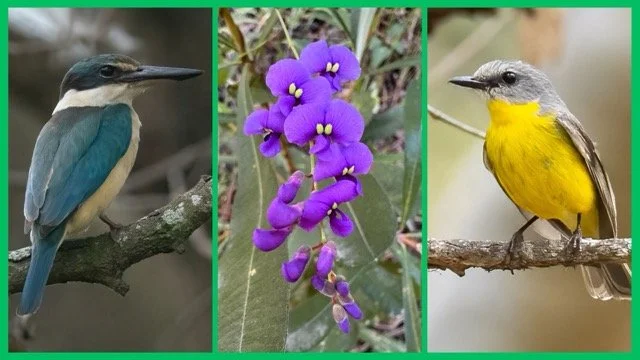
Bulimba Creek Catchment is located in Brisbane’s south-eastern suburbs and flows north into the Brisbane River. It is part of one of Australia’s most biodiverse regions—South-East Queensland, which is also the nation’s fastest growing.
The Bulimba Creek Catchment
Covers 122 square kilometres – around 10% of Brisbane City
Includes 20 southern and eastern Brisbane suburbs
Key natural features: 16 bushland remnants, 7 freshwater swamps, 10 significant riparian wetlands
Bulimba Creek Catchment is located in Brisbane’s south-eastern suburbs and flows north into the Brisbane River. It is part of one of Australia’s most biodiverse regions—South-East Queensland, which is also the nation’s fastest growing.
The Bulimba Creek Catchment stretches from Kuraby and Runcorn in the south, through Mt Gravatt, Mansfield, Carindale and Tingalpa, to Hemmant and Murarrie in the north. It features a complex network of creeks and tributaries—some unnamed—and is bordered by significant remnant bushland.
The area is heavily impacted by urban development, vegetation clearing, poor land-use practices, and invasive weeds. Inappropriate development—such as filling floodplains and building on waterway corridors—has also caused significant planning challenges for Brisbane.
Despite this, the catchment retains important natural assets, including areas with high restoration potential. Around 10% of the catchment is still covered by bushland and wetlands, particularly along the creek corridor. Land use varies widely and includes residential, commercial, industrial, recreational, and open space areas. The upper catchment features hilly terrain and narrow valleys, while the lower sections are mostly flat floodplain.
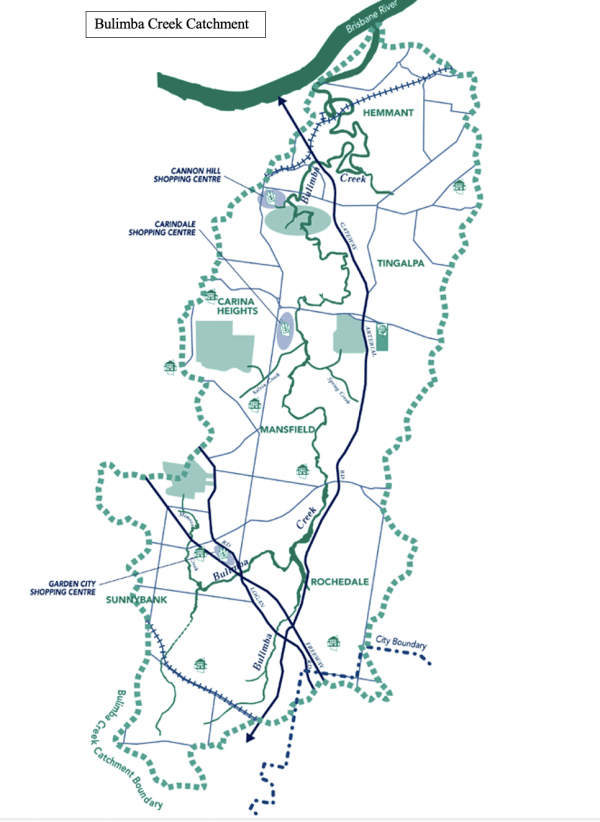
Key ecological sites within the catchment include Belmont Hills Reserve, Whites Hill Reserve, Minnippi Parklands, Seven Hills Bushland Reserve, and the Bulimba Creek Oxbow. These areas provide critical habitat, support biodiversity, and offer valuable opportunities for restoration and community engagement.
Through our network of members, volunteers and partners, we support the regeneration of remnant bushland and advocate for positive environmental outcomes across the catchment. B4C works with more than 20 active Bushcare groups, helping to create a connected "web of green" across Brisbane’s suburbs.